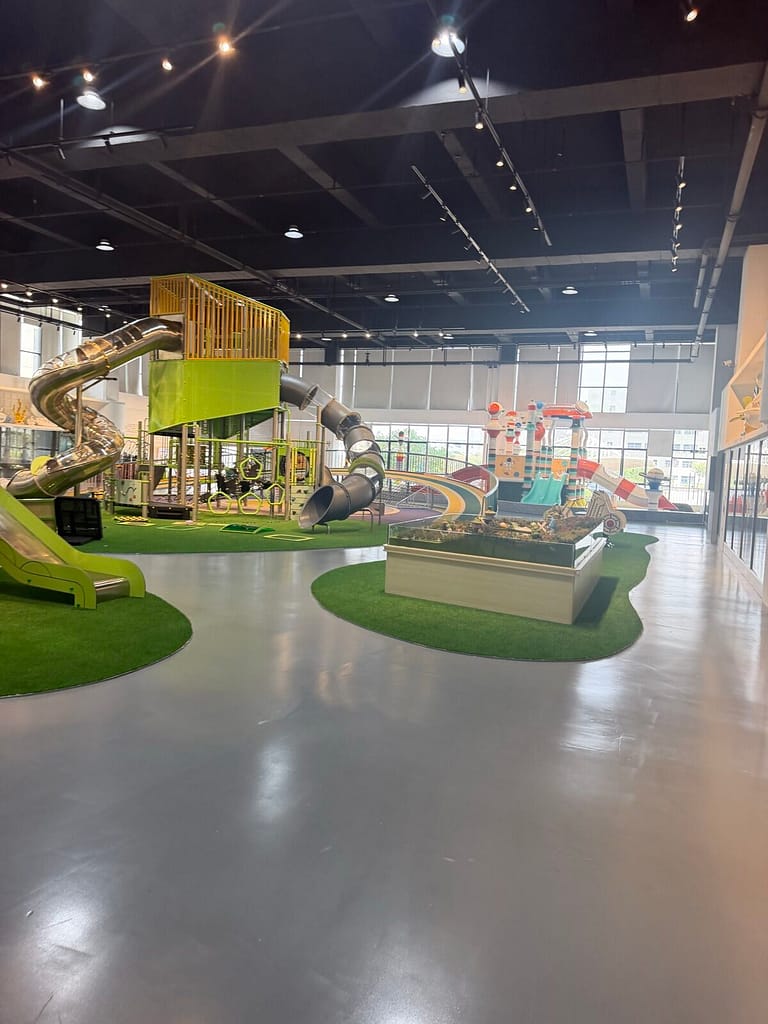
Water park and indoor playground equipment: at the supplier's factory
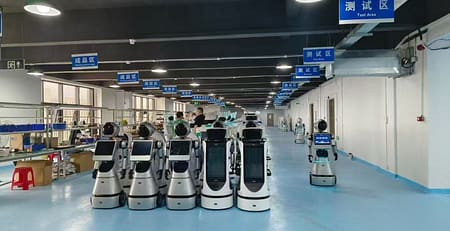
On 20 September 2026, one week after the 18th GTI China Expo, we visited a supplier's factory and showroom in China. We saw equipment for water parks and indoor playground structures.
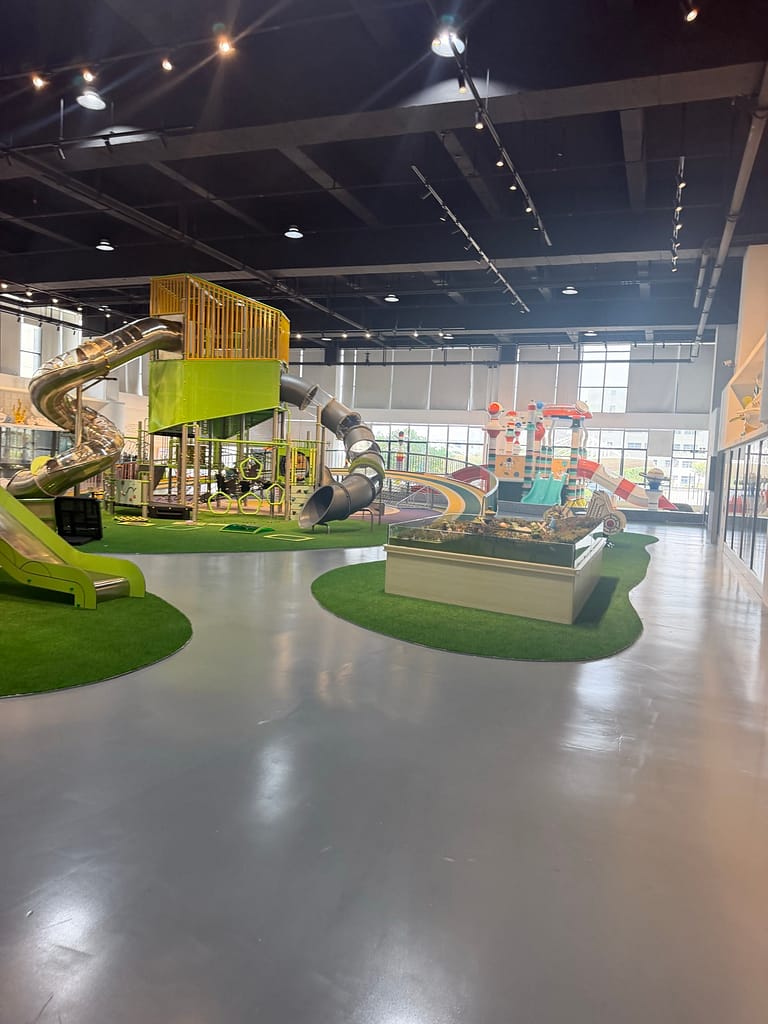
Tested at full size
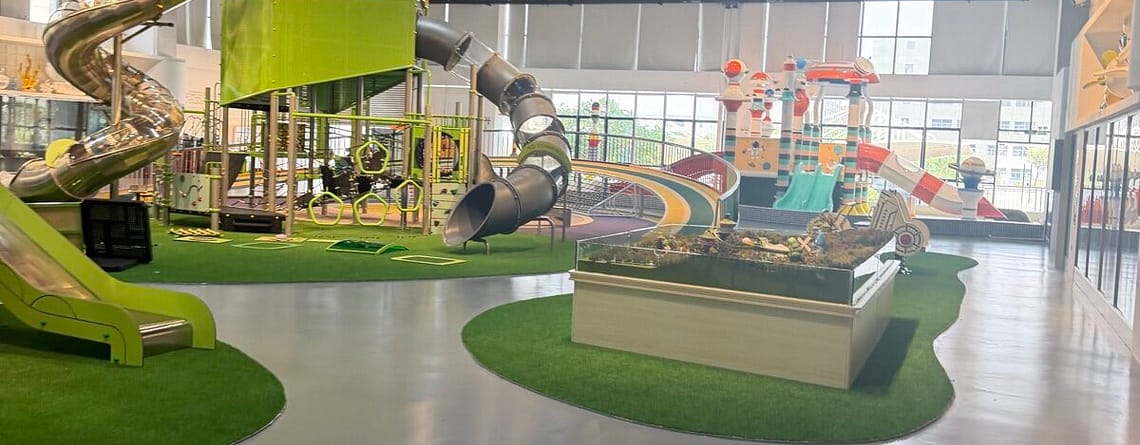
In the showroom the structures were set up at full size and we could walk inside: towers with climbing nets, stainless steel slides and enclosed tunnels. We climbed up and tried them. In an indoor playground structure, durability doesn't show in a photograph. It shows in how firm the step is, how taut the net is and how clean the joint is where a hand grips a thousand times a day.
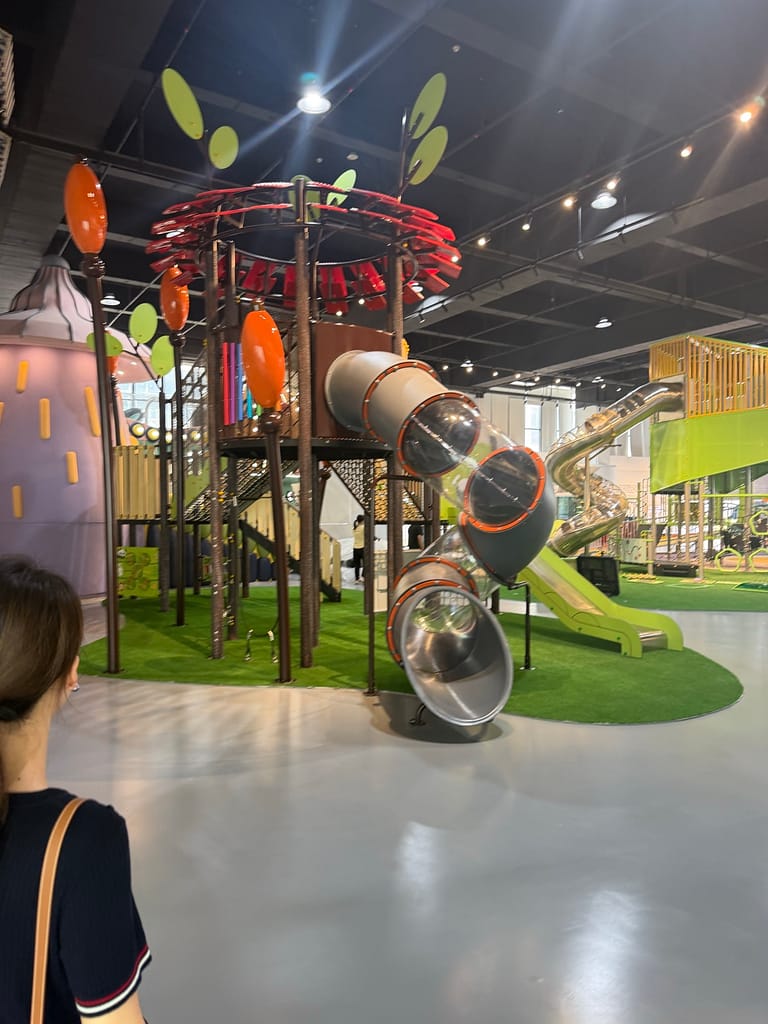
We judged them by Greek conditions. An indoor playground in a shopping mall has a different ceiling height from a hotel courtyard with families, and the same structures don't suit both. A size that works in a Chinese park often won't even fit through the door of a Greek building.
Around water, the connections matter
With water park equipment, what counts isn't how the structure looks, but the pipework materials and the quality of the connections. They decide whether the installation will run for ten years or start leaking in its second. And leaks in a wet area cost more than money: they are a safety issue where people walk.
The equipment you don't see
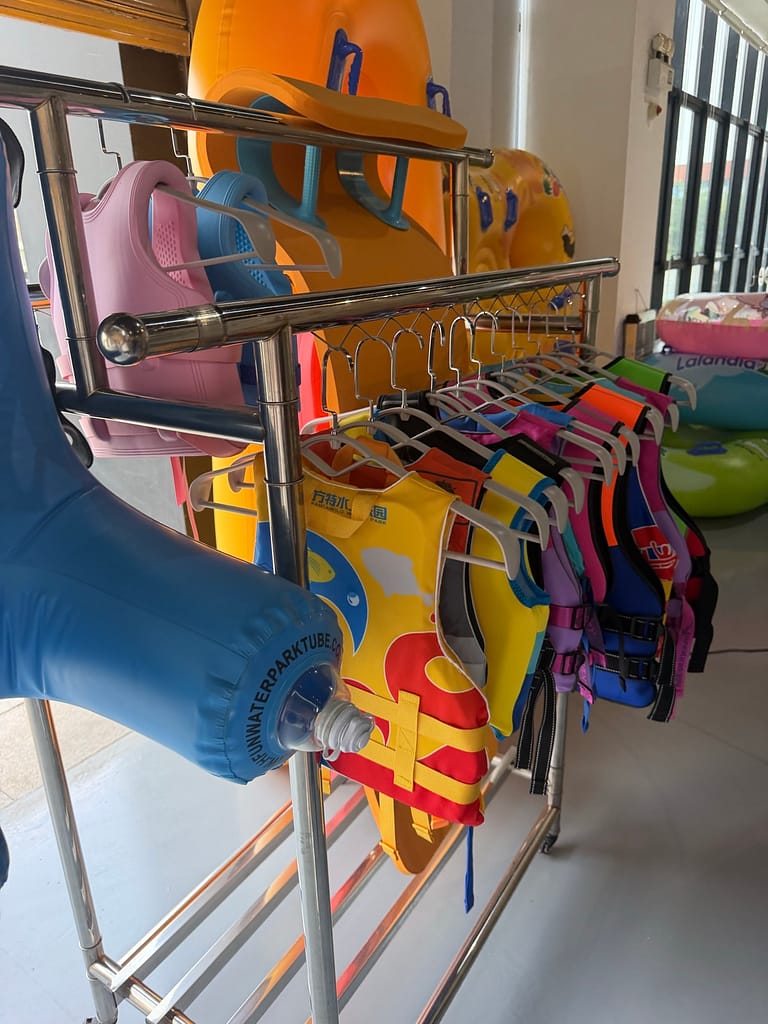
Safety consumables are a separate matter: life jackets in all sizes, children's water seats and inflatable tubes. They don't catch the eye and they don't appear in presentations. But without the right quantities and the right sizes for each age, a water venue can operate neither safely nor legally.
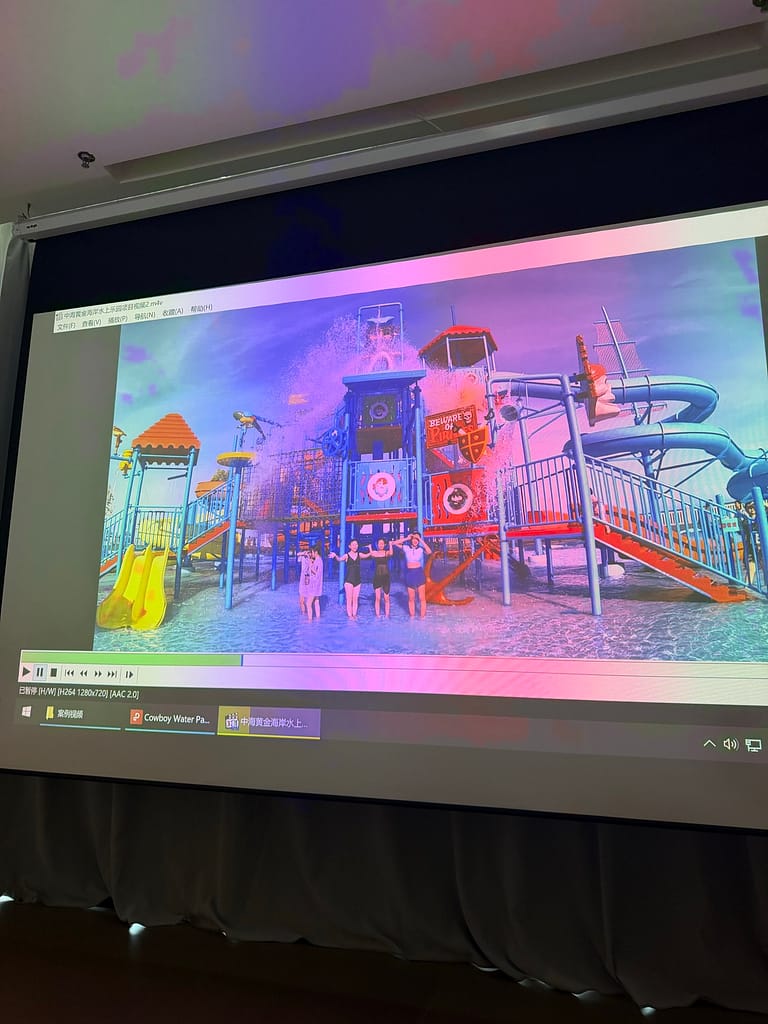
At the meeting that followed we saw complete water park designs: bucket towers, water slides, bowl slides and themed structures over shallow water. What we went to see is the difference between a design on paper and a project that actually operates.
Whatever we pick from visits like this, we import, install and support ourselves in Thessaloniki, together with its spare parts.